
Hillman Door Supply and Door Repair guides
Door guides for Brooklyn & NYC.
Installation, hardware, fire ratings, structural repair, code compliance, and project planning.
Article imagery is project inspiration, not a gallery of completed customer work.
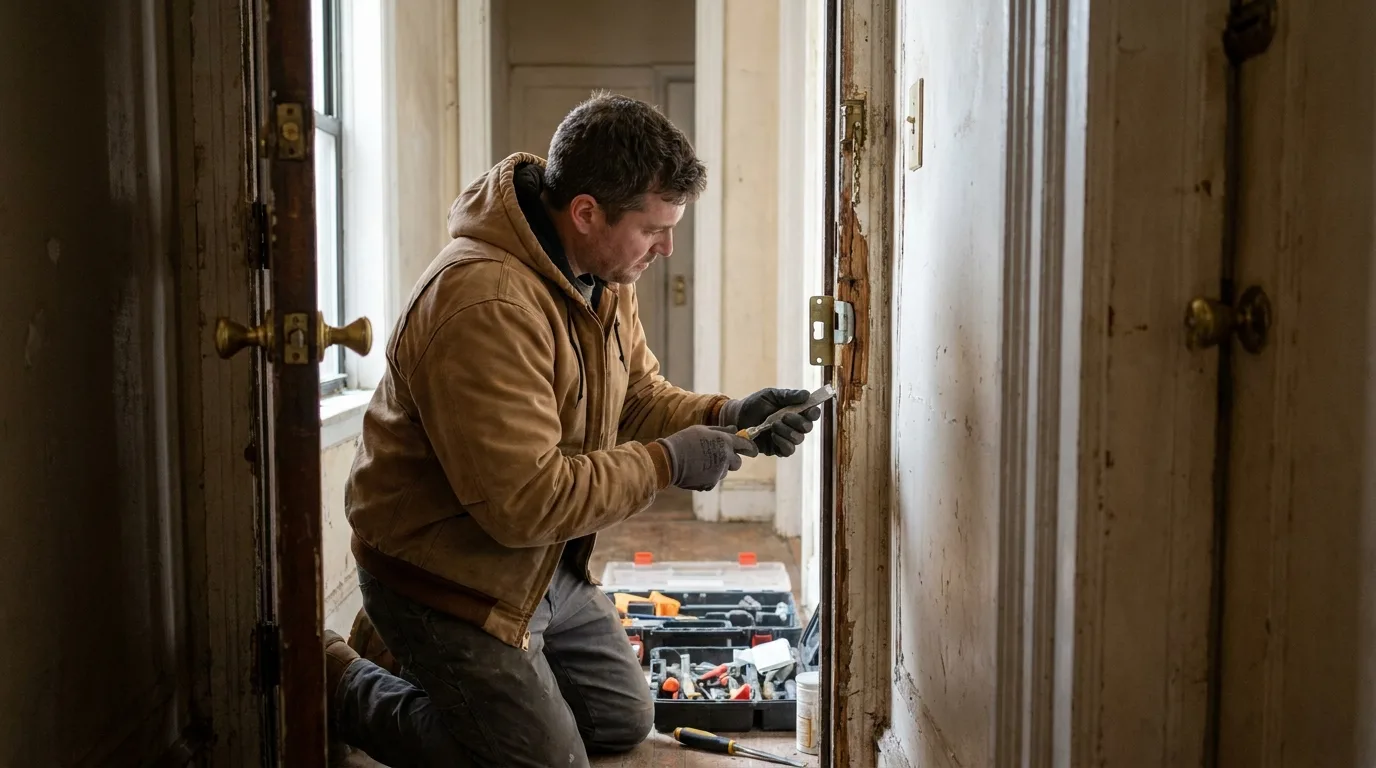
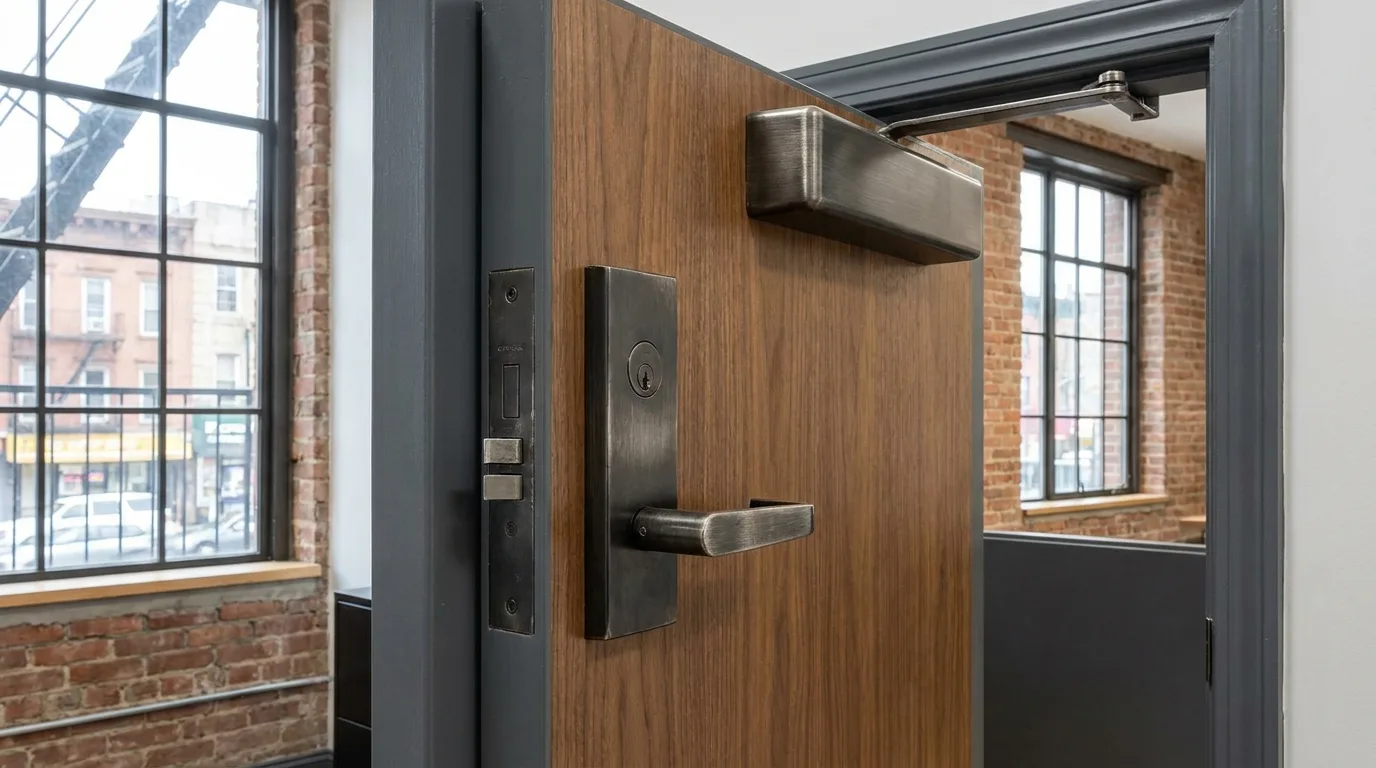
Door Hardware Guide for NYC Buildings: Locks, Closers, and Hinges
How to specify locksets, closers, hinges, and panic hardware for residential and commercial doors in NYC.
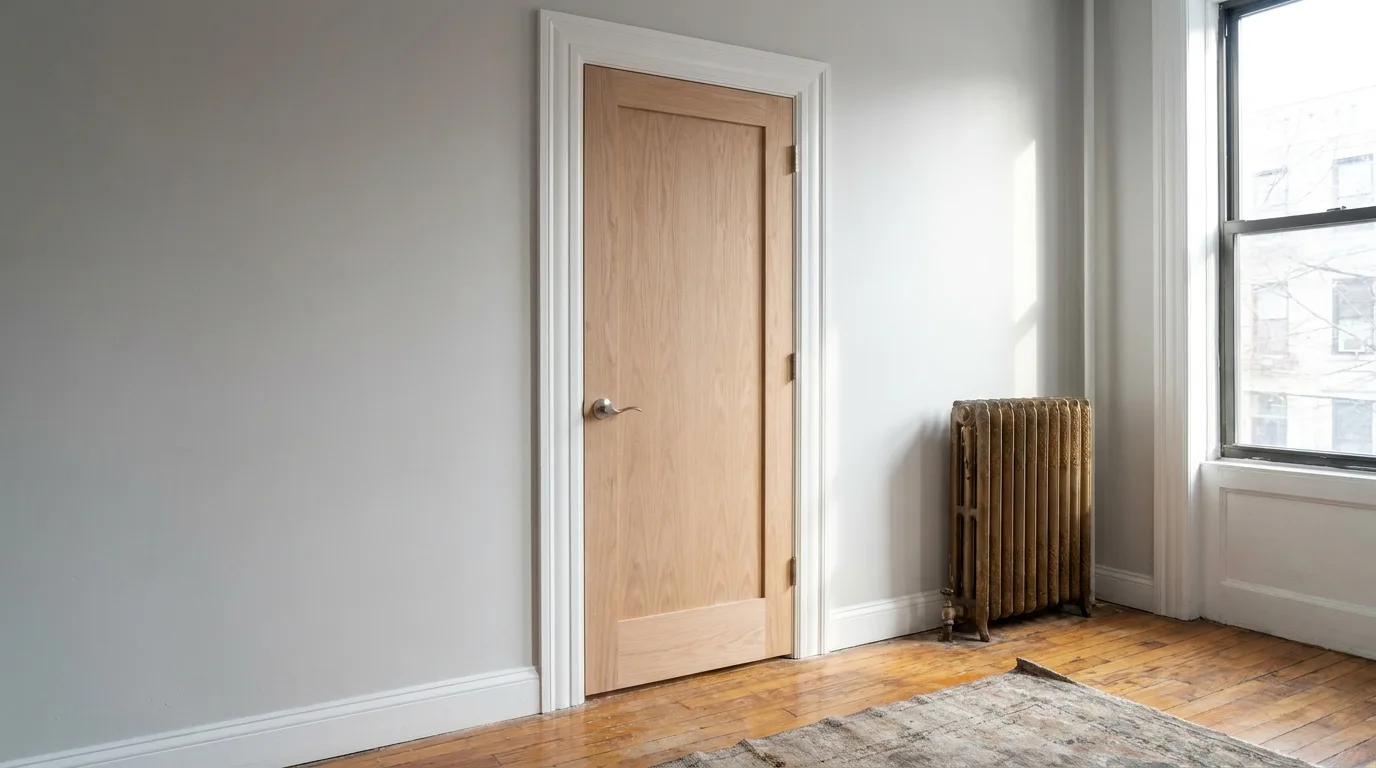
Interior Door Replacement in NYC Apartments: Scope and Timing
Hollow-core upgrades, noise reduction, and building coordination for apartment interior door projects in NYC.
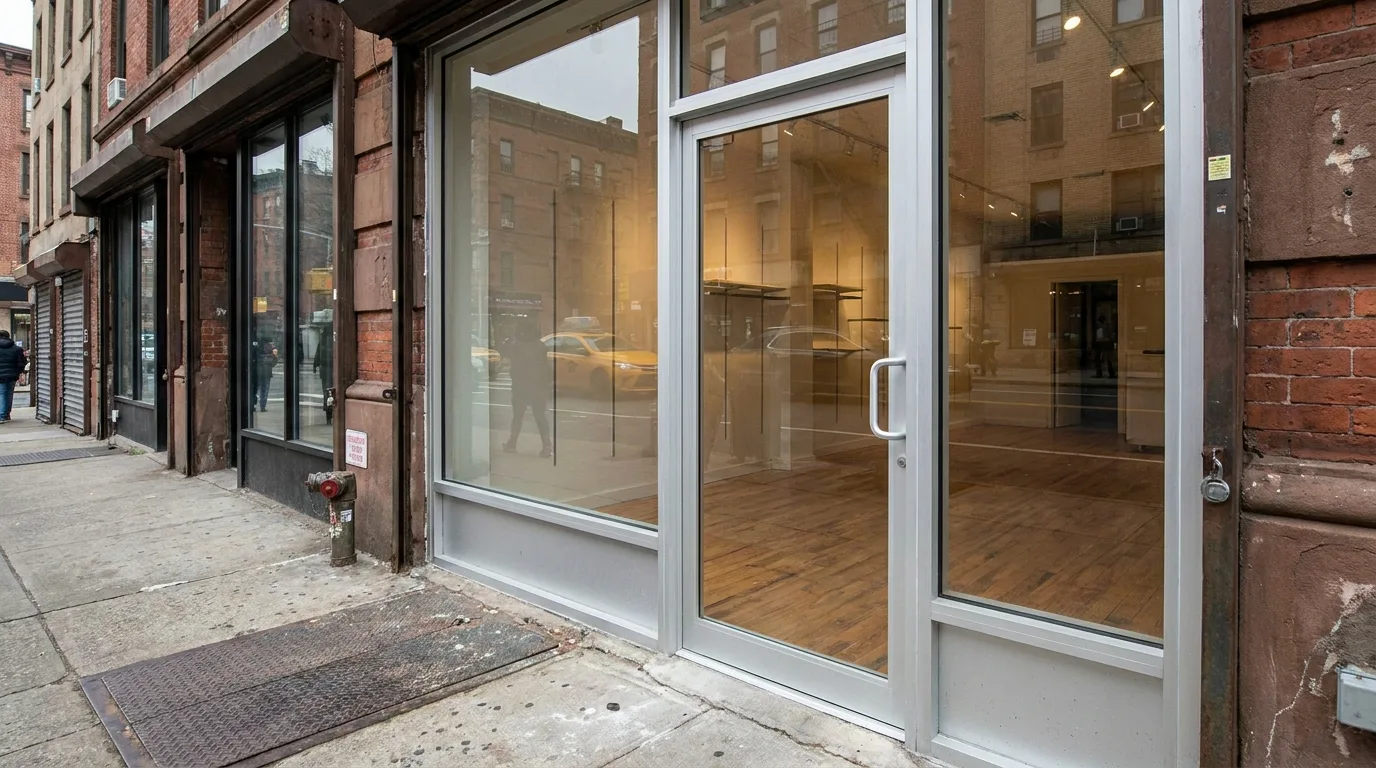
Storefront Door Repair for NYC Retail: Common Failures and Fixes
Floor closers, panic hardware, and weather seals — what causes NYC storefront doors to fail and how to fix them properly.
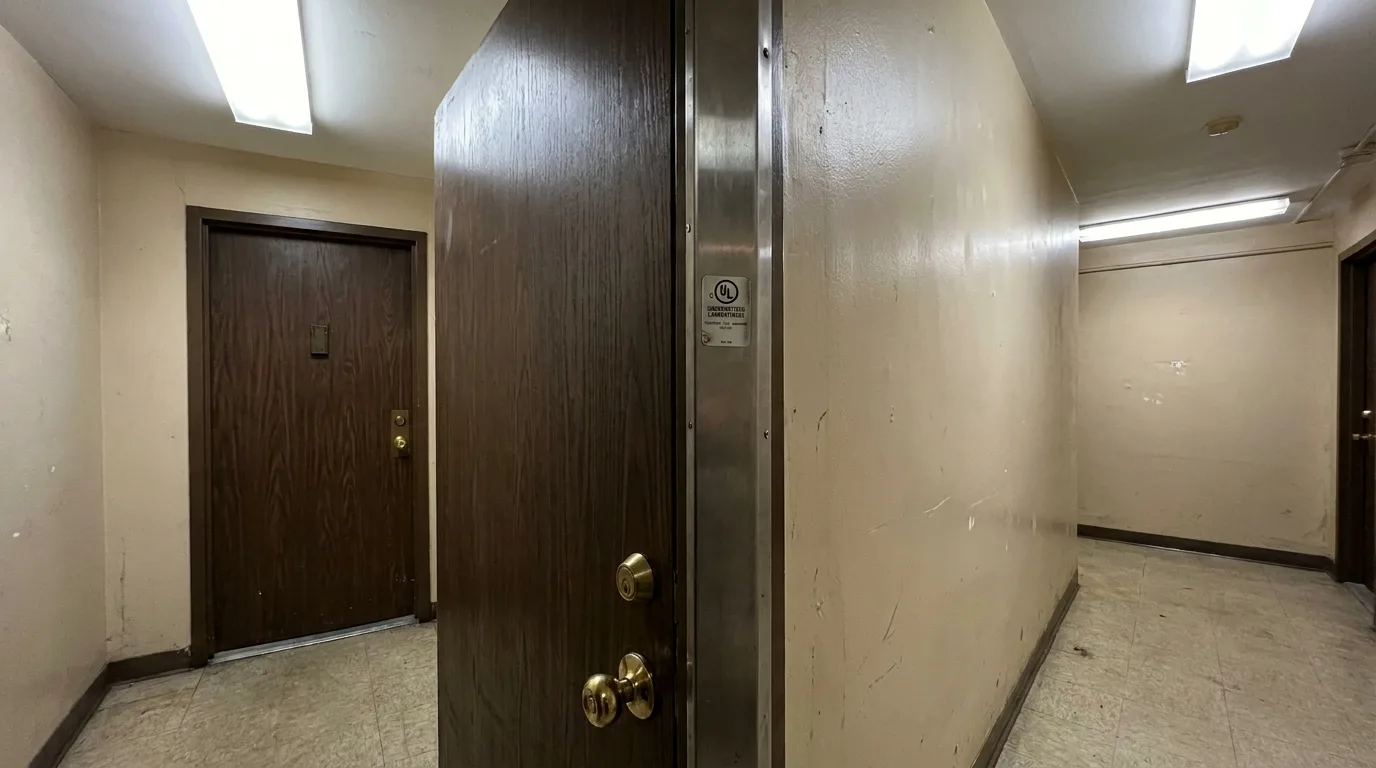
Fire-Rated Doors in NYC Multifamily Buildings: What Owners Need to Know
UL labels, self-closing hardware, and corridor assemblies — the essentials for compliant multifamily door replacement in NYC.
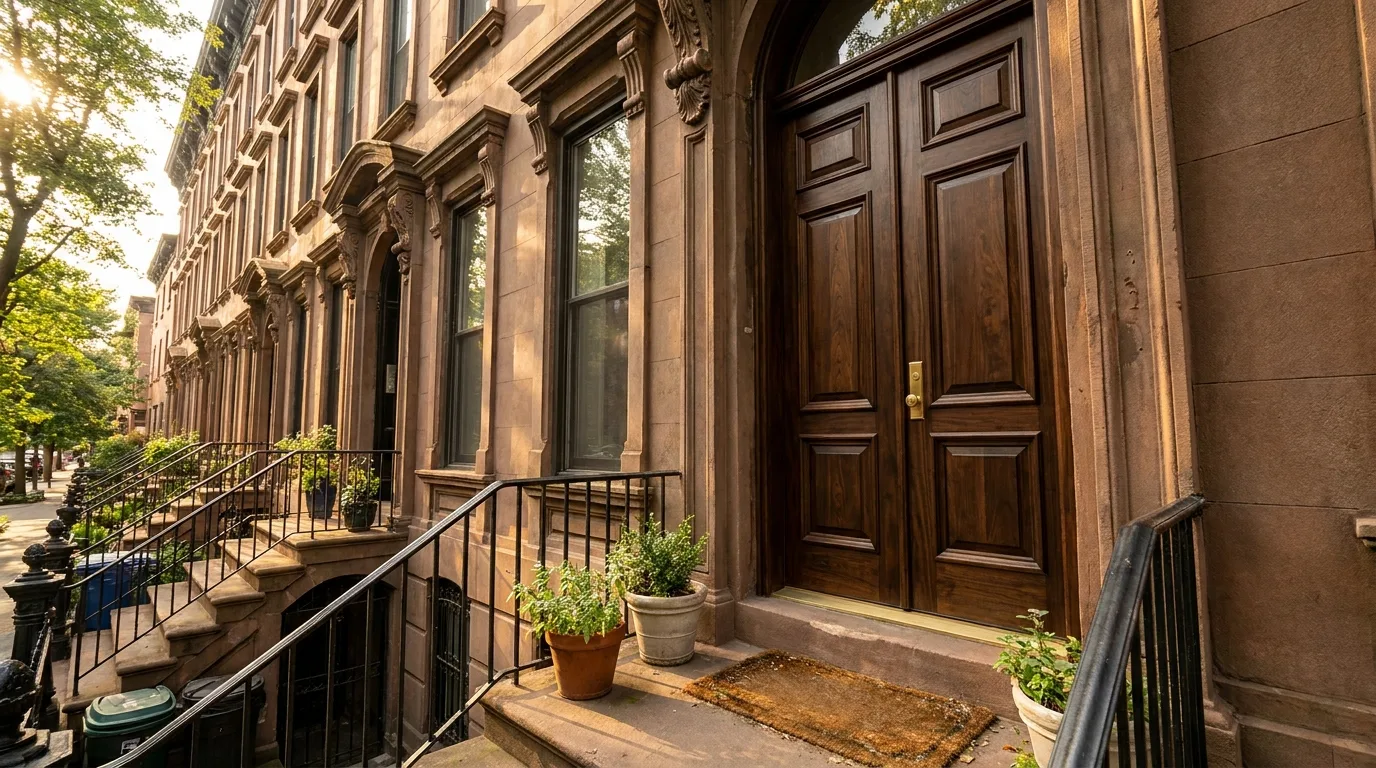
How to Choose an Entry Door for a Brooklyn Brownstone
Historic profiles, security needs, and NYC weather all influence the right entry door for a Brooklyn townhouse or brownstone.
In depth
Questions about nyc door services across NYC
Practical answers from Hillman Door Supply and Door Repair to help you compare door scopes in Brooklyn, Manhattan & Queens. Tap a question to expand.
A clear scope identifies the door slab, frame, hardware, weatherstripping, fire rating, and any framing adjustments. Existing damage or structural repairs outside the door scope should be identified before work begins.
Multifamily, commercial, and mixed-use buildings in NYC often require UL-listed fire door assemblies in corridors, stairwells, and certain tenant separations. The written scope should identify the required label, self-closing hardware, and smoke-seal components.
Hardware selection depends on door weight, traffic, security goals, and ADA requirements. Locksets, closers, hinges, panic hardware, and access-control prep should be matched to the door and building use rather than treated as interchangeable.
Many binding, sagging, or latch problems stem from jamb settlement, hinge wear, or strike misalignment — not a failed slab. Structural repair can restore smooth operation and secure closure while preserving original materials when possible.
Accurate on-site measurement accounts for jamb width, header height, floor clearance, swing direction, and existing casing. Pre-war and masonry buildings often need field verification before ordering a slab or custom fabrication.
Settlement, humidity swings, masonry movement, and high-traffic use can affect how doors hang and latch. A responsible scope accounts for the building type — brownstone, loft, multifamily, or storefront — instead of assuming a standard rough opening.
The closeout plan should cover removal of old doors and debris, hardware testing, latch alignment, and a walkthrough against the written scope. Any agreed adjustments should be documented before the project is considered complete. Call (718) 638-4271 to discuss your project in Brooklyn, Manhattan & Queens.
Ready to plan your NYC door project?
Tell Hillman Door Supply and Door Repair about the opening, door type, hardware, property, and timing you have in mind.